From Overcharged to in Control: How Smarter Charging Fixed My Daily Energy Mistakes
We’ve all been there—plugging in our phone overnight, only to find it still draining power by morning. Or coming home to a sky-high electricity bill with no clue why. I used to ignore these small habits, until I realized they were costing me more than just money. It was stress, wasted time, and guilt about energy waste. But what if your charger could *talk* to you—gently, wisely—and help you stop the leaks? That’s exactly what happened when I embraced smarter charging. What started as a simple fix turned into a quiet revolution in how I live, care for my home, and even see myself.
The Silent Cost of “Just One More Charge”
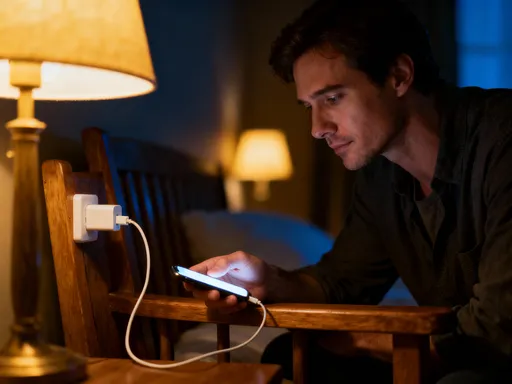
Let’s be honest—how many of us have tucked our kids into bed, turned off the living room lights, and then spent the next hour scrolling in the dark, phone plugged in beside us? I certainly have. For years, I thought charging my phone overnight was harmless. After all, it stops when it’s full, right? But then I started noticing things. My phone felt warmer in the morning. The battery seemed to drain faster during the day. And my electricity bill? It crept up, month after month, without any real change in our routine.
One evening, I sat at the kitchen table with my latest bill in hand, and something clicked. I wasn’t just paying more—I was feeling heavier. There was a quiet guilt, like I was wasting something precious. Not just money, but energy, time, care. I realized I’d been treating my devices like silent servants—plugging them in, expecting them to behave, never really checking in. And in return, they were working too hard, wearing out too fast, and pulling more from the grid than necessary.
That moment wasn’t about numbers. It was about awareness. I had been blind to the small, daily leaks in my energy use. And the truth is, so are many of us. We’re busy—juggling work, family, meals, laundry, school runs. Who has time to monitor every charger? But the cost isn’t just financial. It’s emotional. It’s the low hum of anxiety when the bill arrives. It’s the frustration when your tablet dies at the worst moment. It’s the nagging sense that you’re not doing enough—either for your wallet or the planet.
What I didn’t know then was that the real problem wasn’t me. It wasn’t laziness or forgetfulness. It was a lack of communication. My devices couldn’t tell me what they needed, and I couldn’t understand what they were trying to say. We were living in the same house, but speaking different languages.
When Devices Don’t Talk Back, We Make Mistakes
Think about it: when was the last time your phone said, “Hey, I’m full. Please unplug me”? Never, right? That’s because traditional charging is a one-way street. You plug in. The power flows. The device takes what it can, often beyond what’s healthy. It’s like watering a plant every day without checking the soil. You mean well, but over time, you’re doing more harm than good.
I learned this the hard way when my oldest daughter’s tablet started swelling at the edges. We took it to the repair shop, and the technician shook his head. “Battery’s overstressed,” he said. “Probably charged too often, too long.” I felt a pang of guilt. I had set up a charging station in the playroom—so convenient! But convenience, I realized, had come at a cost. We were overcharging out of habit, not necessity.
And it wasn’t just the tablets. Our laptops stayed plugged in all night. The Bluetooth earbuds lived in their case 24/7. Even the smart speaker in the kitchen was always sipping power, just because it could. These are what experts call “phantom loads”—devices that draw energy even when they’re not in active use. They’re silent, invisible, but they add up. Studies show that standby power can account for up to 10% of a household’s electricity use. That’s like leaving a light on in every room, all day, every day.
But here’s what hit me hardest: none of this was intentional. We weren’t being careless. We just didn’t have the tools to know better. Our devices don’t warn us. They don’t say, “I’m overheating.” They don’t whisper, “I’d last longer if you stopped at 80%.” Without feedback, we make assumptions. And those assumptions lead to waste—of energy, of money, of the very gadgets we rely on.
The real issue wasn’t the technology. It was the silence between us and it. We needed a conversation. And finally, that conversation is possible.
Smart Charging: Like a Gentle Reminder from Your Devices
The first time I used a smart plug, I didn’t expect much. I’d seen ads for “smart homes” with voice commands and flashing dashboards, but that felt overwhelming—like tech for tech’s sake. This was different. I bought a simple smart plug, the kind you just screw into a lamp socket. I plugged my phone charger into it, downloaded the app, and within minutes, it was connected.
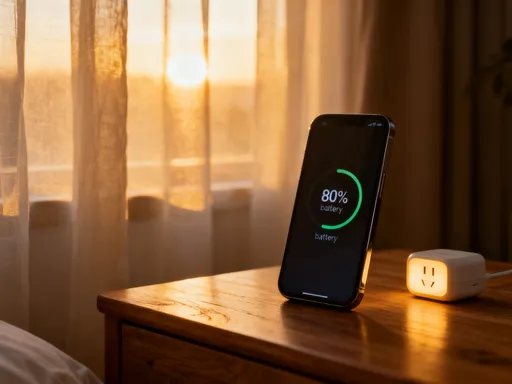
Then came the magic. I set a schedule: charge from 9 PM to 6 AM, but stop at 80%. The next morning, I checked the app. “Charging complete,” it said. “Device reached optimal level.” I smiled. It was such a small thing, but it felt like my phone had taken a deep breath and said, “I’m good. I’ve got this.”
That’s when it hit me: smart charging isn’t about control. It’s about care. It’s technology that understands our lives and responds with kindness. My phone wasn’t being bossed around. It was being protected. And so was my home. The smart plug didn’t just cut power—it learned. It noticed when I usually charged, how long it took, and adjusted over time. It was like having a little helper who knew the routine and pitched in without being asked.
Soon, I added more. My laptop now uses built-in battery optimization—software that learns when I typically unplug and slows charging in the final stretch. My earbuds automatically stop charging once full, and the case lights up to let me know. Even our tablet has a “bedtime mode” that pauses charging overnight and resumes in the morning. These aren’t flashy features. They’re quiet, thoughtful gestures—like a note on the fridge that says, “I took care of it for you.”
What surprised me most was how much it eased my mind. I no longer worry about forgetting to unplug. I don’t stress about battery health or electricity spikes. There’s a rhythm now, a sense that things are in balance. And honestly? It made me like my devices more. They feel less like machines and more like part of the family—listening, adapting, growing with us.
How Clear Signals Prevent Daily Energy Blunders
Let’s talk about the little mistakes we all make. You know the ones. You toss your earbuds in the case after a quick walk, and by evening, they’re still plugged in. Or you leave the laptop charger in all night, “just in case.” These aren’t careless acts—they’re habits formed in the absence of feedback. But with smarter charging, those habits can change, gently and naturally.
Take overcharging, for example. Most of us think it’s fine to leave devices plugged in. But lithium-ion batteries—the kind in phones, tablets, and laptops—don’t like being kept at 100% for long. It stresses the battery, shortens its lifespan, and increases heat, which can be a safety risk. Smart charging fixes this with auto-cutoff. When the battery reaches a healthy level, say 80% or 90%, the power stops. It’s not a punishment. It’s protection. And the best part? You don’t have to remember a thing. The system does it for you.
Another common mistake: using the wrong charger. We’ve all grabbed whatever cable is handy, even if it’s not the one that came with the device. But mismatched chargers can deliver too much or too little power, leading to slower charging or even damage. Smart devices now communicate with the charger to negotiate the right voltage. It’s like a quiet conversation: “I’m a phone,” says the device. “I need 5 volts.” The charger responds, “Got it.” No guesswork. No risk. Just the right amount of power, every time.
Then there’s phantom load—the energy drain from devices that stay plugged in but aren’t in use. A smart plug can solve this with scheduled off-times. I set mine to cut power to the entertainment center at 11 PM. No more vampire energy sneaking out while we sleep. I even use it for the coffee maker—on at 6:30 AM, off by 9. It’s such a small thing, but it adds up.
Here’s how I imagine the conversation now: Me: “Charge fully.” Device: “How about 80%? It’s safer, saves energy, and I’ll last longer.” Me: “Okay, deal.” It sounds silly, but that back-and-forth—real or imagined—changes everything. It turns charging from a chore into a choice. And choices, even small ones, make us feel more in control.
Setting Up Smarter Charging Without the Tech Stress
I know what you’re thinking: “This sounds great, but I’m not tech-savvy. I can barely set the clock on the microwave.” I felt the same way. That’s why I want to tell you how simple it really is. You don’t need a degree in engineering. You don’t need to rewire your house. All you need is one small step.
Start with a smart plug. They’re affordable, easy to find, and take five minutes to set up. Screw it into any outlet. Plug in your charger. Download the app—most use common ones like Google Home or Amazon Alexa. Connect it to your Wi-Fi. Name it something easy, like “Bedroom Charger” or “Kids’ Tablet Station.” Then set a schedule. Maybe 8 PM to 7 AM. Or just tell it to turn off after two hours.
My first try wasn’t perfect. I forgot to name the plug, so the app kept saying, “Unnamed Device is still charging.” My son saw it and laughed. “Mom, your charger’s feeling ignored!” We made it a family joke. But it worked. That night, the phone charged to 80% and stopped. No more overheating. No more wasted energy.
Next, check your devices. Most modern phones have built-in battery optimization. On Android, it’s called Adaptive Charging. On iPhone, it’s Optimized Battery Charging. Turn it on. It learns your routine and delays the final charge to 100% until you usually wake up. So your phone is full when you need it—but not stressed all night.
For laptops, look for power management settings. Many now include features that slow charging after 80% or pause when the battery is full. It’s not automatic everywhere, but it’s becoming more common. And for smaller devices like earbuds or smartwatches, just rely on their built-in smarts. Most now stop charging when full. Your job? Just unplug the case once in a while.
The key is to start small. Pick one device. Try one change. See how it feels. You don’t have to do it all at once. And if you make a mistake? No problem. Technology is forgiving. The goal isn’t perfection. It’s progress—toward a home that runs smoother, quieter, and with less waste.
The Ripple Effect: Calmer Mornings, Lower Bills, Greener Living
You’d be surprised how much peace comes from small changes. Since switching to smarter charging, our mornings are calmer. No more frantic searches for a charged tablet before school. No more “Why is my phone dead?” moments. Everything just works. The kids know the devices are ready. I know they’re not being overworked. It’s a quiet confidence—like knowing the oven is off without having to check.
Then there’s the bill. Last month, it was $38 lower than the same time last year. Was it all from smart charging? Probably not. But it was a big part. I also noticed our devices are lasting longer. The tablet that used to need a boost by lunchtime now makes it to bedtime. The phone battery hasn’t degraded as fast. These aren’t miracles. They’re results of better care.
But the biggest change is emotional. I feel more in tune with my home. There’s a sense of harmony, like everything is working together. And when my daughter says, “Mom, the iPad knows when to stop now,” I smile. She’s learning, too—that technology doesn’t have to be wasteful, that care matters, that small choices add up.
There’s also a quiet pride in knowing we’re doing better. Not perfect. But better. We’re using less energy. We’re creating less e-waste. We’re teaching our kids to value what we have. And that feels good. It’s not about being eco-perfect. It’s about living with intention—about making choices that reflect what we care about.
Efficiency isn’t cold. It’s not about cutting corners. It’s about respect—for our time, our money, our planet, and ourselves. When we stop wasting energy, we make space for what matters. More time with family. Less stress. More peace.
A Future Where Everything Understands You—Starting with Your Charger
Smart charging taught me something bigger than battery health or electricity bills. It taught me the power of listening. When our tools can communicate—when they can say, “I’m full,” or “I’m overheating,” or “I’d last longer if you slow down”—we can respond with care instead of guesswork. We become better stewards, not just of our devices, but of our lives.
Imagine a home where everything understands you. The lights know when you’re tired. The thermostat senses when you’re coming home. The oven reminds you dinner’s ready. That future isn’t far off. And it starts with something as simple as a charger that knows when to stop.
I used to think technology was about doing more, faster. Now I see it’s about living better—calmer, wiser, kinder. It’s about tools that support us, not stress us. It’s about reclaiming control, not losing it to complexity.
So tonight, take a look at your charging habits. Is your phone plugged in? Is the laptop still connected? Could one small change make a difference? You don’t need to overhaul everything. Just start with one plug. One setting. One conversation.
Now, my phone sits on the nightstand at 80%, unplugged, resting. It doesn’t need to scream for attention. It doesn’t drain the outlet or overheat the nightstand. It knows what it needs.
And so do I.