From Chaos to Calm: How Travel Apps Quietly Mastered My Diet
Living that always-on life—rushing through airports, skipping meals, surviving on airport pretzels and room service fries—I never thought a flight booking app could care about my health. But lately, something’s shifted. The same tools I use to find cheap flights and cozy hotels started nudging me toward water, reminding me to eat, even suggesting meals that fit my goals. It wasn’t magic. It was smart tech quietly syncing with my real life. And honestly? I feel more in control than ever. No more guilt after a long trip. No more coming home feeling like I’ve undone weeks of healthy habits. Just small, thoughtful moments where technology stepped in—not to fix me, but to support me. And that’s made all the difference.
The Traveler’s Dilemma: When Exploration Wrecks Your Routine
Let’s be honest—travel should feel freeing, not defeating. But how many times have you returned from a trip feeling more drained than refreshed? I know I have. I’ve boarded early morning flights on an empty stomach, told myself I’d eat something healthy later, and ended up with a greasy sandwich at the gate. I’ve walked into a hotel room after a long day, too exhausted to step outside, and ordered fries and a chocolate bar just because it was easy. And I’ve stood in front of a buffet, overwhelmed and tempted, thinking, This is vacation—why not? But deep down, I didn’t feel joy. I felt out of sync.
That disconnection isn’t just physical. It’s emotional. When your body feels sluggish and your energy dips, your whole mood shifts. You’re less patient with your family. You’re more irritable. You lose that spark of confidence that comes from feeling good in your own skin. I remember one trip to Europe—beautiful cities, amazing food, incredible memories—but I came back five pounds heavier, bloated, and exhausted. I looked in the mirror and didn’t recognize myself. I’d worked so hard to eat well and move my body regularly, only to undo it all in ten days.
The truth is, travel disrupts everything. Your sleep schedule? Gone. Your workout routine? Forgotten. Your eating habits? At the mercy of convenience. And it’s not because we’re weak or lack willpower. It’s because we’re human. We’re tired. We’re overwhelmed. We want comfort. And when we’re in a new place, with new time zones and unfamiliar menus, even the most disciplined among us can fall off track. The problem isn’t us—it’s the lack of support. We’ve been expected to manage it all on our own, with no tools, no guidance, just willpower. But what if it didn’t have to be that way?
The Unexpected Upgrade: When Booking Flights Feels Like Self-Care
About a year ago, I booked a flight to Vancouver, and something strange happened. As I reviewed my options, a little message popped up: “This airline offers high-protein, low-sodium meals. Would you like to pre-select one?” I paused. Since when did airlines care about what I eat? I clicked yes, almost automatically. Then, a few days later, when I was choosing a hotel, the app suggested one with a note: “Close to Stanley Park trails and the Granville Island Public Market—great for fresh, local food.” I smiled. This wasn’t just about price or free Wi-Fi anymore. This was about me.
That moment was a turning point. I realized the travel tech I’d used for years—apps that helped me find deals and book stays—was quietly evolving. It wasn’t just organizing my trip anymore. It was starting to care about how I felt during it. These platforms began asking about my dietary preferences: vegetarian, gluten-free, low sugar. They remembered my allergies. They even let me flag fitness goals, like “I want to stay active” or “I’m focusing on hydration.” And instead of treating these as checkboxes, they used them to shape my experience.
It’s not about judgment. It’s about kindness. The tech doesn’t scold me for wanting dessert. It just says, “Hey, here’s a local fruit tart made with seasonal berries—lighter, and delicious.” It doesn’t force me into a rigid plan. It offers gentle nudges, like a friend who knows my goals and wants to help. And because it’s built into the booking process, it feels effortless. I’m not downloading another app or setting up a new routine. I’m just traveling—only now, the tools are working with me, not against me.
Your Itinerary, Your Nutrition: How Smart Planning Feeds Better Choices
Once the trip begins, the support doesn’t stop. My travel app now does more than send boarding passes. It starts sending smart, timely reminders. Before a long flight, it says, “You’ll be in the air for six hours. Try to drink a bottle of water before boarding and another mid-flight.” During a layover, it suggests, “You have three hours—perfect time for a walk and a smoothie at the juice bar near Gate B12.” These aren’t random tips. They’re based on my travel timeline, my past choices, and my stated goals.
Here’s how it works: the app learns. If I consistently skip breakfast on trips but love fruit, it starts suggesting fresh fruit platters at airport lounges or nearby cafes. If I usually order tea instead of coffee, it reminds me to stay hydrated with herbal options. It’s not pushing a one-size-fits-all plan. It’s adapting to me. And because the suggestions show up at the right time—when I’m deciding what to eat, not hours later—they actually work.
I remember one trip to Austin. I had a 90-minute layover and was about to grab a fast-food burger when my phone buzzed: “Try the acai bowl at the café near your gate—packed with antioxidants and energy-boosting ingredients.” I hesitated, then walked over. It was delicious. And I didn’t crash an hour later like I usually did. That small moment made me realize something: I didn’t need more willpower. I needed better support. And this tech was giving it to me, quietly and consistently.
These timeline-based nudges do more than improve one meal. They create a rhythm. When I’m reminded to drink water before takeoff, I’m more likely to keep going. When I choose a healthy snack because it was suggested, I feel good about it—and that makes me more likely to do it again. It’s not about perfection. It’s about momentum. And that momentum builds confidence.
Hotel Rooms That Know You: Beyond Just a Place to Sleep
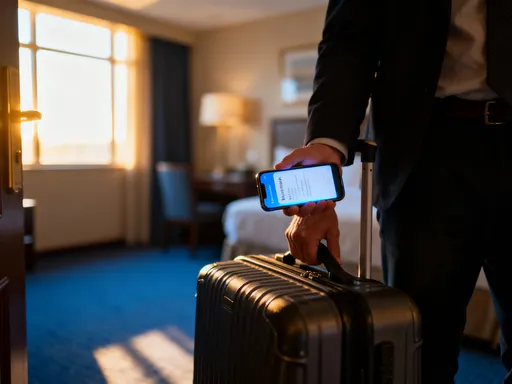
We spend a lot of time in hotel rooms when we travel—sleeping, unpacking, recharging. But for years, they’ve been treated like neutral spaces—just a bed, a TV, and a bathroom. Now, that’s changing. Thanks to smarter platforms, my hotel room can be an extension of my wellness routine. When I check in, the room is already set up to support me—not just comfortably, but healthfully.
Here’s how: when I book through certain apps, I can specify preferences beyond pillow type. I can request a room with natural light, a quiet floor, or even a yoga mat in the closet. I can ask for the minibar to be stocked with fruit, nuts, and sparkling water instead of chips and soda. Some hotels now partner with wellness brands to offer in-room fitness guides or meditation playlists. And the best part? These aren’t luxury upgrades you have to hunt for. They’re built into the booking experience, based on my profile.
I stayed at a hotel in Portland last winter where, within minutes of checking in, a message popped up: “Your room is set at 68°F—ideal for deep sleep. A bottle of cucumber water is in the fridge, and a stretching guide is on the TV. Would you like a reminder to do a 5-minute stretch in 30 minutes?” I said yes. Thirty minutes later, I did a simple routine, and I slept better that night than I had in weeks. It wasn’t fancy. It wasn’t expensive. It was thoughtful.
That’s the shift. Hotels aren’t just places to crash anymore. They’re spaces that care. And when your environment supports your goals, it’s so much easier to stay on track. You don’t have to fight against your surroundings. You’re not staring at a mini fridge full of cookies, trying to resist. You’re greeted with choices that make you feel good. And that small difference? It adds up.
Eating Local Without Losing Your Goals
One of my biggest fears about eating well while traveling used to be missing out. I love trying new foods. I love tasting what a place is known for. But I didn’t want to feel guilty afterward. I didn’t want to come home feeling like I’d betrayed my body. So I’d either overindulge and regret it—or play it too safe and eat the same boring salads everywhere. Neither felt right.
Now, travel apps help me find the sweet spot: enjoying local flavors while staying aligned with my health goals. How? They analyze menus in real time. I can scan a restaurant menu with my phone, and the app highlights dishes that fit my preferences—high protein, plant-based, low sugar. It even estimates portion sizes and suggests swaps, like “Ask for grilled instead of fried” or “Try brown rice instead of white.”
During a trip to New Orleans, I used this feature at a famous Creole restaurant. The app pointed out a seafood stew that was rich in flavor but also high in protein and vegetables. It suggested skipping the bread on the side and adding a side salad. I followed the advice—and had one of the best meals of my life. No guilt. No bloating. Just joy and satisfaction. I didn’t feel restricted. I felt empowered.
What I love most is how this turns diet into discovery. Instead of thinking, “What can’t I eat?” I think, “What can I try that’s both delicious and nourishing?” I’ve discovered lentil bowls in Nashville, grain bowls in Seattle, and fresh ceviche in San Diego—all because the app helped me see them. It’s not about restriction. It’s about expansion. And that makes healthy eating feel like an adventure, not a chore.
The Quiet Power of Consistency: Small Tech, Big Impact
None of these changes are dramatic. No app is forcing me to run a marathon or fast for 24 hours. The power lies in the small, repeated moments of support. A reminder to drink water. A suggestion to take a walk. A healthy meal pre-selected. A room set up for rest. These tiny choices, supported by smart tech, add up in ways I never expected.
I’ve noticed that when I drink more water because my app reminded me, I have more energy. When I choose a balanced meal because it was suggested, I sleep better. When I stretch after a long flight, I feel less stiff. And when I make these choices consistently—even just a few times a trip—I come home feeling like myself. Not heavier. Not drained. Not guilty. Just refreshed.
That consistency builds something deeper than physical health: confidence. I start to trust myself again. I realize I don’t have to choose between travel and well-being. I can have both. And the more I see that, the more I believe it. The tech doesn’t do the work for me. But it makes the right choices easier, more visible, more doable. And that’s everything.
It’s like having a quiet coach in my pocket—one who knows my habits, respects my goals, and shows up at just the right moment. Not with a lecture. Not with a strict plan. Just with a gentle nudge: You’ve got this. Let me help.
Travel That Feels Like You: Coming Home Healthier Than When You Left
I used to think travel meant surrendering control. I thought I had to choose: either stick to my routine and miss out, or let go and pay the price later. But I was wrong. The best trips don’t have to cost us our health. They can actually restore it.
Now, when I travel, I don’t feel like I’m abandoning my goals. I feel like I’m extending them. My values—eating well, moving my body, resting deeply—travel with me. And thanks to smarter tech, they’re supported every step of the way. I’m not just seeing new places. I’m living better in them.
And here’s the most surprising part: I’ve started coming home healthier than when I left. Not just in body, but in spirit. I feel more balanced. More in tune. More like the person I want to be. The journey didn’t drain me—it filled me up.
That’s the quiet revolution happening in travel tech. It’s not flashy. It doesn’t shout. It listens. It learns. It adapts. And in doing so, it helps us stay true to ourselves, no matter where we are. So the next time you plan a trip, don’t just look for a good price or a nice view. Look for a tool that sees you—your goals, your preferences, your well-being. Because the best travel isn’t just about where you go. It’s about who you get to be when you’re there.