Why Age Creeps Up on Movement – And What Actually Helps
As we age, small movements become harder, stiffness lingers, and recovery slows — but it’s not just “getting old.” Hidden beneath daily discomfort is a silent decline in mobility and muscle resilience. I’ve seen patients regain strength they thought was lost, not through quick fixes, but through smart, consistent rehabilitation training. This isn’t about reversing time — it’s about reclaiming function. Let’s explore how targeted movement can slow aging’s grip on the body.
The Hidden Cost of Aging: When Simple Movements Start to Fade
As individuals enter their 50s and beyond, subtle changes in physical function begin to surface. Tasks once performed without thought — standing from a seated position, reaching for a high shelf, turning the head while reversing a car — now require more effort or cause discomfort. These shifts are often dismissed as natural consequences of aging, but they signal deeper physiological transformations. The human body begins to lose muscle mass as early as the third decade of life, a process known as sarcopenia. By age 50, this loss accelerates, especially in those who lead sedentary lifestyles. Muscle fibers shrink and are replaced by fat and connective tissue, reducing strength and endurance.
At the same time, joint health deteriorates. Cartilage thins, synovial fluid decreases, and tendons and ligaments become less elastic. This leads to reduced range of motion and increased stiffness, particularly in the morning or after periods of inactivity. The nervous system also slows down; reaction times lengthen, and coordination diminishes. These changes affect balance and increase the risk of falls, which remain a leading cause of injury among older adults. What many interpret as “normal aging” is actually a combination of biological decline and disuse — and disuse can be reversed.
The real danger lies in the cycle of limitation and withdrawal. When movement becomes difficult, people tend to move less. Reduced activity leads to further muscle atrophy, joint stiffness, and declining cardiovascular health. Over time, this can erode independence. A woman who once enjoyed walking her neighborhood may stop due to knee pain, then find climbing stairs harder, and eventually rely on assistance for daily tasks. The key to breaking this cycle is early recognition and proactive intervention. Awareness of these changes is not meant to inspire fear, but to empower action. By understanding the mechanisms behind age-related decline, individuals can take meaningful steps to preserve their physical autonomy.
Rehabilitation Training: More Than Recovery — It’s Prevention
Rehabilitation training is often associated with recovery after injury or surgery, but its value extends far beyond healing. For middle-aged and older adults, it serves as a powerful preventive strategy against functional decline. Unlike general fitness routines that emphasize cardiovascular endurance or calorie burning, rehabilitation training focuses on restoring optimal movement patterns, correcting muscular imbalances, and enhancing neuromuscular control. It is not about pushing the body to its limits, but about retraining it to move efficiently, safely, and with confidence.
Everyday movements rely on a complex network of muscles, joints, and nerves working in harmony. Over time, poor posture, repetitive motions, or inactivity can lead to compensatory patterns — for example, using the lower back instead of the glutes when standing up, or over-relying on the shoulders during lifting. These compensations place undue stress on certain joints and accelerate wear and tear. Rehabilitation training identifies these inefficiencies and retrains the body to recruit the correct muscles at the right time. This not only reduces pain but also improves overall movement quality.
Programs are tailored to individual needs, often beginning with a comprehensive assessment of posture, gait, balance, and strength. A person with chronic knee pain might discover that the root cause is weak hip abductors or tight iliotibial bands, not damage within the knee itself. Similarly, someone struggling with balance may lack core stability or ankle strength. By addressing these underlying issues, rehabilitation training prevents further deterioration and reduces the risk of falls. Research published in journals such as the Journal of the American Geriatrics Society has shown that targeted rehabilitation programs improve functional mobility more effectively than generic exercise regimens. The focus is not on intensity, but on precision — moving smarter, not harder.
The Science Behind Movement and Cellular Aging
Emerging scientific evidence reveals that physical activity does more than strengthen muscles and joints — it influences the very biology of aging at the cellular level. Two key players in this process are telomeres and mitochondria. Telomeres are protective caps at the ends of chromosomes that shorten with each cell division. When they become too short, cells can no longer divide and enter a state of senescence or die. Shortened telomeres are associated with aging and age-related diseases. However, studies have shown that individuals who engage in regular physical activity tend to have longer telomeres than their sedentary counterparts, suggesting that movement may slow cellular aging.
Mitochondria, often called the powerhouses of the cell, produce energy in the form of ATP. With age, mitochondrial function declines, leading to reduced energy production and increased oxidative stress. This contributes to fatigue, muscle weakness, and slower recovery. Rehabilitation training, particularly low-to-moderate intensity movement, stimulates mitochondrial biogenesis — the creation of new mitochondria. Muscle contractions during exercise activate signaling pathways such as AMPK and PGC-1α, which promote mitochondrial health and efficiency. This means that consistent, purposeful movement helps cells maintain their energy supply and resist damage.
In addition, rehabilitation training supports systemic health by improving circulation and reducing chronic inflammation. Poor blood flow limits nutrient delivery and waste removal, accelerating tissue degeneration. Inflammation, when persistent, damages tissues and is linked to conditions like arthritis, heart disease, and diabetes. Regular, controlled movement enhances vascular function and modulates the immune response, creating a more favorable internal environment. These effects are not theoretical; they are measurable in blood markers and functional outcomes. Movement, therefore, is not just a mechanical act — it is a metabolic signal that tells the body to maintain and repair itself.
Core Components of Effective Anti-Aging Rehabilitation Programs
Effective rehabilitation programs for aging adults are built on four foundational pillars: mobility, stability, neuromuscular re-education, and progressive loading. Each component addresses a specific aspect of functional decline and works synergistically to restore resilient movement. Mobility training focuses on improving joint range of motion through dynamic stretching, joint articulation exercises, and soft tissue release. Stiffness in the hips, spine, and shoulders is common with age and can limit daily activities such as bending, reaching, or turning. Mobility drills help restore fluid motion, reduce joint stress, and enhance posture.
Stability training strengthens the body’s ability to maintain control during movement. This includes balance exercises such as standing on one leg, heel-to-toe walking, or controlled weight shifts. Core stability is especially important, as a strong trunk supports all other movements. Exercises like bird-dog, dead bug, or plank variations engage deep abdominal and back muscles without excessive strain. Improved stability reduces fall risk and increases confidence in daily activities.
Neuromuscular re-education focuses on retraining the brain-body connection. As people age, movement patterns can become inefficient due to pain avoidance or habit. For example, someone with a history of ankle sprains may unconsciously favor one leg, leading to imbalances. Therapists use cueing, visual feedback, and repetitive practice to restore proper muscle activation sequences. This retraining enhances coordination, timing, and precision in movement.
Progressive loading involves gradually increasing resistance to rebuild muscle strength. This can be done with body weight, resistance bands, or light weights. The key is consistency and proper form, not heavy lifting. Progressive overload stimulates muscle protein synthesis, counteracting sarcopenia. When these four components are integrated into a personalized program, the results are transformative — not just in physical capacity, but in quality of life.
Real-World Impact: Functional Gains That Change Daily Life
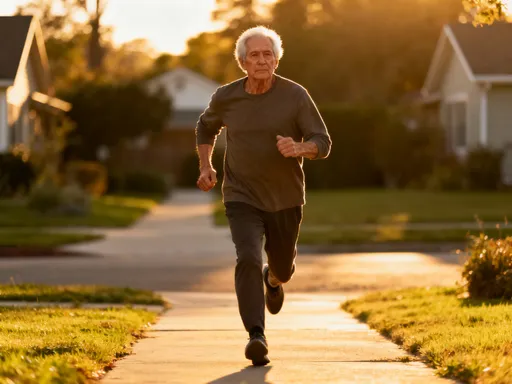
The true measure of rehabilitation training lies not in lab results or fitness metrics, but in everyday experiences. Patients consistently report improvements that directly enhance their independence and joy. One 68-year-old woman had stopped walking her dog due to fear of falling on uneven sidewalks. After 12 weeks of targeted balance and strength training, she resumed her daily walks with confidence. Another patient, a 71-year-old man, had not been able to tie his shoes while standing for over five years. Through hip mobility and core stability exercises, he regained that ability — a small victory with profound emotional significance.
These outcomes are not isolated anecdotes. Functional assessments such as the Timed Up and Go test, the 30-second chair stand test, and the 4-meter gait speed test show measurable improvements in patients undergoing structured rehabilitation. For example, a reduction in Timed Up and Go time from 14 to 9 seconds indicates better balance, strength, and coordination — translating to safer mobility in real-world environments. Patients also report reduced pain, improved sleep, and greater energy levels.
More importantly, they regain the freedom to participate in life. A grandmother can play with her grandchildren without needing to sit down every few minutes. A retired couple can travel without worrying about navigating stairs or cobblestone streets. A lifelong gardener can return to tending flowers without back pain. These are not luxuries — they are essential aspects of well-being. Rehabilitation training restores not just physical function, but dignity and autonomy. The ability to move without fear or limitation allows individuals to live fully, not just survive.
Bridging the Gap: From Clinical Setting to Daily Routine
One of the greatest challenges in rehabilitation is maintaining progress outside the clinic. Supervised sessions provide guidance and accountability, but long-term success depends on integrating movement into daily life. The transition from therapy to home practice must be simple, sustainable, and realistic. Patients are taught to embed exercises into existing routines — for example, doing calf raises while brushing teeth, practicing single-leg balance while waiting for the kettle to boil, or using a resistance band during commercial breaks while watching television.
Consistency is more important than complexity. Performing a few key exercises daily yields better results than intense, infrequent workouts. The goal is to make movement a natural habit, like brushing teeth or drinking water. Awareness plays a crucial role — noticing posture while sitting, engaging the core when lifting groceries, or taking short walking breaks during prolonged sitting. These micro-movements accumulate and support long-term joint and muscle health.
Technology can support adherence. Mobile apps can send reminders to stretch or move, track exercise frequency, or provide video demonstrations of proper form. Wearable devices can monitor step count, balance, or activity levels, offering feedback and motivation. However, the most effective tools are human: education, support from family, and connection with a physical therapist who adjusts the program as needs change. The ultimate aim is not to create another chore, but to weave movement seamlessly into the fabric of daily living.
When to Start — And Why Earlier Is Always Better
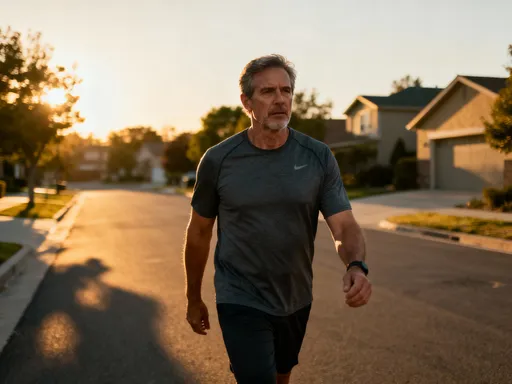
Many people wait until pain, stiffness, or a fall forces them to seek help. But the optimal time to begin rehabilitation training is before symptoms appear. The period between 40 and 60 years of age is a strategic window. The body still responds well to exercise, and minor deficits can be corrected before they become debilitating. This is the time to build resilience, not just react to decline.
Even individuals with chronic conditions such as osteoarthritis, previous joint injuries, or mild cardiovascular issues can benefit from tailored rehabilitation programs. Under the guidance of a physical therapist, exercises can be modified to ensure safety and effectiveness. For example, someone with knee arthritis can improve function through low-impact movements that strengthen supporting muscles without aggravating the joint. The key is individualization — a one-size-fits-all approach does not work.
Starting early does not stop aging, but it changes how aging affects the body. It shifts the trajectory from inevitable decline to managed adaptation. Strength, balance, and mobility are not fixed traits — they are capacities that can be maintained and even improved with intention. Just as regular dental care prevents tooth loss, consistent movement preserves physical function. The habits formed in midlife lay the foundation for independence in later years. Waiting until problems arise often means playing catch-up; beginning early means staying ahead.
Reclaiming Movement, Redefining Aging
Aging is a natural part of life, but physical decline is not an unavoidable consequence. Rehabilitation training offers a scientifically supported, practical approach to preserving function, independence, and quality of life. It is not about chasing youth or achieving athletic performance — it is about honoring the body’s innate ability to adapt and heal. By focusing on smart, sustainable movement, individuals can move with greater ease, live with more freedom, and age with strength.
The real anti-aging secret is not a pill, supplement, or miracle treatment. It is purposeful motion — consistent, mindful, and tailored to individual needs. Whether it’s improving balance to prevent falls, regaining the ability to play with grandchildren, or simply moving without pain, the benefits are profound. Movement is medicine, and rehabilitation training is the prescription. By embracing it early and consistently, we can redefine what it means to grow older — not with fear, but with confidence and grace.