How I Made Aerobic Exercise a No-Struggle Habit (And You Can Too)
Aerobic exercise isn’t just about gym classes or marathon training—it’s a powerful daily habit that transforms your energy, mood, and long-term health. I used to dread cardio, but once I stopped seeing it as punishment and started treating it as self-care, everything changed. This is how simple lifestyle shifts made aerobic movement something I actually look forward to—and why it might be the most life-changing habit you never thought you’d enjoy. It didn’t require willpower alone, but a smarter, gentler approach that honored my schedule, preferences, and emotional needs. The truth is, sustainable fitness isn’t built on intensity; it’s built on consistency, connection, and care.
The Real Reason Most People Quit Aerobic Exercise
Many people start an aerobic routine with good intentions, only to abandon it within weeks. The common assumption is that lack of motivation or discipline is to blame, but the real issue often lies deeper—in mindset. For years, aerobic exercise has been framed as a form of penance: something you do to burn calories, atone for eating too much, or fix perceived flaws. This moralized view turns movement into a chore, making it easy to skip when life gets busy or emotions run high. When a long day at work ends and the couch beckons, no amount of logic can override the emotional resistance built around the idea of “having” to exercise.
Another major barrier is the all-or-nothing thinking that dominates fitness culture. Many believe that unless they can commit to a 30-minute run or a high-intensity class, the effort doesn’t count. This perfectionism sets people up for failure. Missing one day leads to guilt, which leads to skipping another, and soon the routine collapses. The reality is that aerobic fitness isn’t built in isolated bursts of effort; it’s sustained through regular, manageable activity. Shifting the mindset from “I have to push hard” to “I get to move my body” can dramatically change the relationship with exercise.
What works better than sheer willpower is habit design. Research in behavioral psychology shows that consistency is far more important than intensity when building long-term habits. Instead of relying on motivation, which fluctuates, successful routines are built on structure and repetition. One proven method is habit stacking—pairing a new behavior with an existing one. For example, doing a five-minute walk after morning coffee or taking the stairs after checking email. These small actions reduce the mental resistance to starting. Over time, the brain begins to associate the new behavior with comfort and routine, not struggle. The goal isn’t to become a fitness fanatic overnight, but to make movement a seamless part of daily life.
Small Moves, Big Impact: Rethinking What Counts as Aerobic Exercise
One of the biggest misconceptions about aerobic exercise is that it must be structured, intense, or time-consuming. Many imagine it as treadmill sprints, spin classes, or long jogs—activities that feel intimidating or inaccessible. But in truth, aerobic exercise is simply any rhythmic activity that increases your heart rate and breathing over a sustained period. It doesn’t require special equipment, a gym membership, or even changing clothes. The key is consistency, not intensity. In fact, **consistency beats intensity** when it comes to long-term health benefits and habit formation.
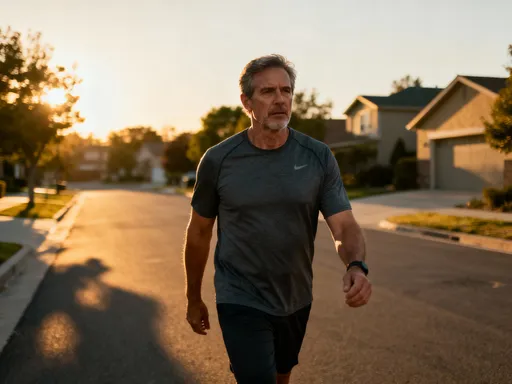
Everyday activities can qualify as aerobic exercise if done with enough duration and effort. Brisk walking, for instance, is one of the most effective and underrated forms of cardio. A 20-minute walk around the neighborhood, a local park, or even a shopping mall raises the heart rate, improves circulation, and supports joint health. Dancing while cooking dinner, gardening, raking leaves, or playing with children in the yard also count. These movements may not feel like “workouts,” but they accumulate and contribute to cardiovascular fitness, especially when done regularly.
The beauty of redefining aerobic activity is that it removes the pressure to perform. You don’t need to measure your pace, track your heart rate, or compare yourself to others. The goal is simply to keep your body moving in ways that feel good. For someone who has struggled with exercise in the past, this shift in perspective can be liberating. It opens the door to inclusion—allowing people of all fitness levels, ages, and physical abilities to participate. A 10-minute walk after lunch is not “less than” a 45-minute spin class; it’s a valid and valuable part of a healthy lifestyle. By broadening the definition of what counts, aerobic exercise becomes less of a barrier and more of an opportunity.
How I Built My Own Routine Without Burning Out
My journey with aerobic exercise wasn’t linear. Like many, I started with grand plans—hour-long workouts, strict schedules, and high expectations. Predictably, I burned out within weeks. The turning point came when I stopped trying to force myself into someone else’s idea of fitness and began experimenting with what worked for me. I started small: just 10 minutes of walking each morning. I didn’t track calories or distance. I simply focused on showing up. At first, it felt pointless. But within a few weeks, I noticed subtle shifts—more energy, better sleep, and a calmer mind. These small wins became the foundation of a lasting routine.
Timing played a crucial role. I discovered that morning movement set a positive tone for the day, while evening workouts sometimes left me too energized to wind down. I also paid attention to my environment. Walking the same route became monotonous, so I began varying my path—exploring new neighborhoods, walking near water, or visiting local trails. These changes made the experience more enjoyable and something to look forward to. I also created simple rituals: putting on comfortable shoes right after breakfast, playing a favorite music playlist, or inviting a friend to join occasionally. These cues reduced the mental effort required to start.
One strategy that helped me overcome inertia was the “two-minute rule”—a concept from habit psychology that suggests starting with an action so small it feels effortless. I told myself I only had to walk for two minutes. Once I was outside, I almost always continued longer. This trick bypassed resistance by making the entry point nearly impossible to refuse. I also used a step counter not to obsess over numbers, but to celebrate progress. Seeing small increases over time—like going from 4,000 to 6,000 steps a day—provided quiet encouragement. The goal wasn’t perfection, but gradual improvement. Over months, my 10-minute walks naturally extended to 20, then 30, without strain or pressure.
Pairing Movement with Pleasure: The Secret to Sticking With It
If there’s one principle that transformed my relationship with aerobic exercise, it’s this: make it enjoyable. Lasting habits aren’t built on discipline alone—they’re built on positive reinforcement. The brain is more likely to repeat behaviors that are linked to pleasure. This is where temptation bundling comes in—a strategy that pairs something you want to do with something you need to do. For example, I made it a rule to only listen to my favorite podcasts or audiobooks while walking. This simple rule turned movement into a reward, not a chore. I began looking forward to my walks not because I “should,” but because I got to hear the next chapter of a gripping story.
Social connection also played a powerful role. Instead of scheduling coffee dates, I started inviting friends for walking meetings. We’d talk about life, share recipes, or plan family events while moving. These outings felt more meaningful than sitting across a table—they combined quality time with self-care. Even grocery shopping became more active when I parked at the far end of the lot and walked the long way around. Each step became part of a larger rhythm, not an isolated task.
The psychology behind this is straightforward: when an activity is associated with positive emotions, the brain forms stronger neural pathways, making it easier to repeat. Over time, the movement itself begins to trigger feelings of satisfaction and calm. You’re no longer doing it because you have to; you’re doing it because it feels good. This shift is subtle but profound. It moves aerobic exercise from the category of “obligation” to “self-care.” And self-care is something you protect, not postpone. By linking movement with things you already love—music, nature, conversation—you create a habit that sustains itself.
Designing Your Day Around Natural Movement
The most effective aerobic routines aren’t the ones that require carving out extra time—they’re the ones that fit seamlessly into your existing life. The goal isn’t to add more to your schedule, but to rethink how you move throughout the day. This approach is supported by research on NEAT—non-exercise activity thermogenesis—which refers to the calories burned through everyday movement outside of formal exercise. Things like standing, fidgeting, walking to the printer, or folding laundry all contribute to energy expenditure and cardiovascular health. When these small actions are added up, they can have a significant impact.
One way to increase NEAT is to design your environment for movement. If you work from home, consider using a standing desk or taking phone calls while walking. If you have children, play active games in the yard instead of sitting on the sidelines. At the grocery store, choose the stairs over the elevator, or park farther away to add extra steps. These choices may seem minor, but they accumulate. A study published in the Journal of the American Heart Association found that adults who incorporated more daily movement had lower risks of heart disease, even if they didn’t engage in structured exercise.
Another strategy is to reframe routine tasks as opportunities for aerobic activity. Cooking dinner? Dance while you stir. Waiting for the laundry? Do a few minutes of marching in place. Watching TV? Stand up and stretch or walk in place during commercials. These micro-movements keep the body active and prevent long periods of sitting, which is independently linked to health risks. The key is to think of movement not as a separate event, but as a continuous thread woven through your day. When aerobic activity becomes part of your lifestyle, rather than an interruption to it, it stops feeling like a burden and starts feeling like a natural rhythm.
Tracking Progress Beyond the Scale
One of the most common reasons people give up on aerobic exercise is that they don’t see results—on the scale. But weight is a poor measure of progress when it comes to cardiovascular health. The benefits of aerobic activity go far beyond appearance. They include better sleep, improved mood, sharper focus, reduced anxiety, and increased stamina. These changes are real, measurable, and deeply meaningful, even if they don’t show up on a tape measure.
Instead of tracking pounds, try paying attention to how you feel. Can you climb a flight of stairs without getting winded? Do you have more energy in the afternoon? Are you sleeping more soundly? These are signs of progress. Simple self-checks, like timing how long it takes to walk a mile or noticing how quickly your heart rate returns to normal after exertion, can provide valuable feedback. Journaling your mood before and after movement can also reveal patterns—many people report feeling calmer, clearer, and more centered after even a short walk.
Over-reliance on numbers can be counterproductive. Scales fluctuate due to water retention, hormones, and other factors unrelated to fitness. Focusing too much on them can lead to frustration and discouragement. A more sustainable approach is body awareness—listening to your body’s signals and honoring its needs. When you shift the goal from “losing weight” to “feeling better,” the motivation becomes intrinsic. You move not to punish or change your body, but to support it. This mindset fosters long-term commitment because it’s rooted in care, not criticism.
Making It Last: Turning Effort Into Effortlessness
The ultimate goal of any habit is to reach the point where it no longer requires effort. At first, aerobic exercise may feel like a choice you have to make each day. But over time, with repetition and positive reinforcement, it becomes automatic—a part of who you are. This is the power of identity-based habits. Instead of thinking, “I need to go for a walk,” you begin to think, “I’m someone who moves every day.” That small shift in self-perception makes all the difference. It turns discipline into identity.
Of course, life will always have interruptions—busy weeks, travel, illness, stress. The key to maintaining momentum is not perfection, but resilience. During tough times, scale back instead of quitting. A five-minute walk is better than none. A few minutes of dancing in the kitchen counts. Self-compassion is essential. Beating yourself up for missing a day only creates resistance. Instead, acknowledge the challenge and gently return to the routine. Progress is not linear, and that’s okay.
Maintaining a long-term habit also means staying curious and open to change. What worked six months ago might not feel right today. Maybe you prefer swimming now instead of walking, or yoga with gentle flow. The form of movement can evolve as your life does. The important thing is to keep the thread of consistent aerobic activity alive. Celebrate small victories, honor your body’s limits, and remember that every step counts. Long-term success isn’t about pushing harder—it’s about moving forward, one kind choice at a time.
Aerobic exercise doesn’t have to be grueling to be effective. When woven into your lifestyle with intention and kindness, it becomes less of a task and more of a natural rhythm—one that supports not just your body, but your entire way of living. The goal isn’t to become an athlete; it’s to build a healthier, more vibrant everyday life, one step at a time. By redefining what counts, linking movement with pleasure, and designing your day for natural activity, you can create a habit that lasts. It’s not about perfection. It’s about showing up for yourself, consistently and with care. And that, more than any workout, is the real foundation of lifelong well-being.