Tracked my health for 300 days: The report system that made staying informed effortless
You know that feeling when you leave the doctor’s office and realize you’ve already forgotten half of what they said? I used to dread those moments—until I started using a simple digital system that quietly collected my daily health data. No needles, no hospital gowns, just everyday insights that added up. Over time, I didn’t just feel more in control—I actually was. This isn’t about chasing perfection. It’s about making small, smart choices easier, every single day. And honestly, it’s changed how I show up for myself, my family, and my life in ways I never expected.
The Moment Everything Changed – A Doctor’s Visit That Opened My Eyes
It was a Tuesday morning, the kind where the coffee hasn’t kicked in and the to-do list is already winning. I sat across from my doctor, fidgeting with my pen, trying to answer what should have been simple questions: How’s your energy? Any changes in sleep? How often do you feel stressed? I opened my mouth to respond and realized—I didn’t know. Not really. I could offer guesses, maybe a vague ‘I think I’ve been sleeping okay?’ but nothing concrete. My doctor nodded kindly, but I could see the hesitation. She was trying to help me, but I wasn’t giving her the tools to do it well.
That moment hit me like a quiet thunderclap. I wasn’t lazy or careless—I was just human. Our memories aren’t designed to track subtle shifts in how we feel over weeks or months. We remember extremes: the night we barely slept, the day we felt amazing after a walk. But what about the in-between? The slow creep of fatigue, the gradual improvement in mood after starting a morning routine? Those things slip through the cracks. That day, I left with a prescription and a deeper frustration: I wanted to be a better partner in my own care. I didn’t want to show up empty-handed again.
So I started asking: what if there was a way to remember for me? Not a diary I’d abandon by week two, not another complicated app that required constant input. What if technology could quietly gather the little things—the steps I took, the hours I slept, how often I drank water—and turn them into something meaningful? That curiosity led me down a path I never expected: not just tracking, but truly understanding my health in a way that felt natural, gentle, and deeply personal.
How Daily Data Quietly Built a Clearer Picture of My Health
At first, I’ll admit, it felt a bit obsessive. Logging my water intake? Rating my mood on a scale of one to ten? I rolled my eyes at myself. But I stuck with it—partly out of stubbornness, partly because I was tired of feeling confused about my own body. And then, around week three, something shifted. I noticed a pattern: on days I took a 20-minute walk after dinner, I fell asleep faster and woke up feeling more refreshed. On days I skipped breakfast, I hit a wall by mid-morning, no matter how much coffee I drank. These weren’t dramatic revelations, but they were mine—real, personal clues that no lab test could have uncovered.
What surprised me most was how these small data points started to weave together into a story. It wasn’t just about sleep or diet or activity in isolation. It was how they influenced each other. For example, I discovered that poor sleep didn’t just make me tired—it made me more likely to skip my workout, which then made me feel sluggish, which made me crave sugary snacks. It was a cycle, and seeing it laid out helped me break it. I didn’t need a strict rulebook. I just needed to see the connections.
Over time, the act of logging became second nature. I didn’t have to think about it much—just a quick tap on my phone in the morning, another at night. And the insights kept coming. I learned that my energy dipped consistently on Wednesdays, which led me to realize I was over-scheduling midweek. I saw that my stress levels spiked when I didn’t take even five minutes to breathe or stretch. These weren’t medical diagnoses. They were life observations—small truths that, when acknowledged, made a big difference in how I felt day to day.
The Report System That Works While You Live
Here’s the thing I didn’t expect: I didn’t have to do much at all. I had assumed health tracking meant endless apps, complicated dashboards, and graphs that looked like something from a science lab. But the system I found was different. It didn’t ask me to become a data analyst. Instead, it pulled information from things I already used—my smartwatch, my phone, even my connected scale—and turned it into a simple, easy-to-read weekly email. Every Sunday morning, like clockwork, it landed in my inbox with the subject line: ‘Your Week in Health.’
The first time I opened it, I almost laughed. No charts. No confusing metrics. Just a few short paragraphs in plain English, like a friend summarizing how I’d been doing. ‘You averaged 7.2 hours of sleep this week—your best since April.’ ‘Your activity levels were consistent, especially on evenings when you walked after dinner.’ ‘Hydration was on the lower side Tuesday through Thursday—try keeping a water bottle nearby during work hours.’ It felt kind. Helpful. Human.
What made it work was how little effort it required. I didn’t have to log every meal or track every minute of movement. The devices did the heavy lifting. The system just made sense of it and gave it back to me in a way I could actually use. And because it came weekly, it didn’t feel overwhelming. No daily pressure. No guilt for imperfect days. Just a gentle, consistent check-in that helped me stay connected to my body without adding stress to my life.
From Confusion to Confidence – Sharing Reports with My Doctor
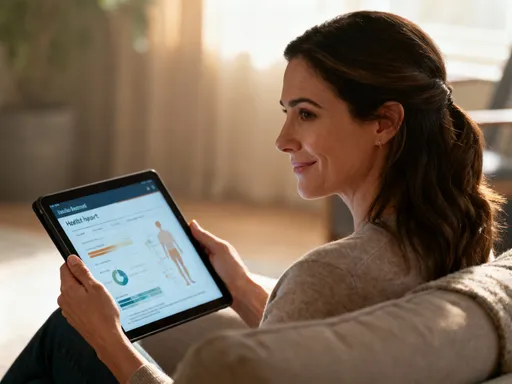
My next doctor’s appointment was different. I walked in with a printed copy of my last three weekly reports. My doctor looked surprised, then intrigued. ‘This is great,’ she said, flipping through the pages. ‘This shows me what’s really happening, not just what you remember.’ We spent the visit talking about patterns—how my blood pressure had been trending lower since I increased my evening walks, how my energy levels had improved when I started eating a protein-rich breakfast. For the first time, I wasn’t just describing symptoms. I was showing evidence.
She adjusted my wellness plan based on what the data revealed. We talked about stress management, and she suggested a breathing exercise I could do during my afternoon slump—something I now track in the app. She even recommended I keep sharing these reports at future visits. ‘It helps me see the full picture,’ she said. That moment changed everything. I wasn’t just a patient anymore. I was a participant. An informed partner in my own care. And that shift in power—small as it seemed—made me feel stronger, more capable, more in charge.
What I realized is that doctors don’t expect us to be perfect. They just want information. And when we can give them real, consistent data—instead of fragmented memories—we help them help us better. These reports didn’t replace medical expertise. They enhanced it. They turned a 15-minute appointment into a meaningful conversation grounded in truth, not guesswork.
Making It Work for Real Life – No Perfection Required
Let’s be real: life happens. Some days, I forget to log my water. Other days, I’m traveling and my sleep gets thrown off. There was a whole week when my kids were sick, and I barely slept or moved—and I didn’t touch the app. But here’s what I love: the system didn’t shame me. It didn’t send me a red alert or tell me I’d failed. Instead, it simply noted the gaps and kept going. When things settled, it picked up right where we left off.
That flexibility was a game-changer. I’d tried other tracking methods before—journals, strict apps, fitness challenges—but I always quit because they felt too rigid, too judgmental. This one felt different. It understood that health isn’t about perfection. It’s about patterns over time. Even with missing days, the overall trends were still clear. In fact, those messy weeks taught me something valuable: my body is resilient. One bad week doesn’t erase progress. And seeing that in the data—watching my numbers bounce back after a tough stretch—gave me hope and motivation to keep going.
The system also learned from me. Over time, it started recognizing my routines and offering more personalized suggestions. ‘You usually walk on Tuesdays—want to schedule a reminder?’ ‘Your sleep improved when you turned off screens by 9:30—try it again this week?’ It wasn’t demanding. It was supportive. Like a quiet voice in the background saying, ‘I see you. I’ve got your back.’ And that made all the difference.
Why This Isn’t Just for “Health Nuts” – A Tool for Everyday People
I’ll admit, I used to think health tracking was for fitness fanatics or tech geeks. I pictured people weighing every bite of food or wearing ten devices at once. But this isn’t that. This is for anyone who’s ever felt tired but couldn’t explain why. For the mom who’s always giving to others but forgets to check in with herself. For the busy professional who knows something’s off but can’t put a finger on it.
Take my sister, for example. She started using the system when she kept feeling drained by 2 p.m. every day. She wasn’t sick—just constantly low on energy. After a few weeks, her report showed a clear pattern: her energy dipped sharply two hours after lunch, especially on days she ate a carb-heavy meal. She switched to a balanced plate with protein and veggies, and within days, she felt more stable. ‘I didn’t need a diet,’ she said. ‘I just needed to see the pattern.’
Or my friend Maria, who used it during menopause. She tracked her sleep, mood, and hot flashes, and the reports helped her identify triggers—like caffeine after noon or sleeping in a warm room. She shared them with her doctor, and together, they found a routine that worked. ‘It gave me my power back,’ she told me. These aren’t extreme cases. They’re real women, living real lives, using simple technology to feel better—without overhauling their entire world.
Looking Back: How Continuous Reports Gave Me More Than Data
After nearly 300 days, I sat down to read through my very first report. I barely recognized that woman—the one who forgot her sleep patterns, who guessed at her energy levels, who felt helpless in her own care. The woman I am now isn’t perfect. But she’s aware. She’s informed. She trusts herself more. And that shift—it’s deeper than better sleep or more energy. It’s peace of mind.
I don’t lie awake wondering if I’m missing something. I don’t panic when I feel a little off, because I know I have a record. The system is like a quiet guardian, watching in the background, so I don’t have to. It’s given me confidence—not just in my health, but in my choices. When I decide to rest instead of push through, I know it’s not laziness. It’s listening. When I choose a nourishing meal, it’s not restriction. It’s care.
More than anything, it’s helped me show up more fully—for my family, my work, my passions. I’m not running on empty anymore. I’m living with intention, supported by small, smart tools that respect my time and my life. This journey wasn’t about fixing myself. It was about knowing myself. And that, more than any number on a screen, has made all the difference.